Ian Nyquist's Gilded is the Fourth Best album of 2025
Each year, Fourth Best recognises an Irish record that deserves a bigger place in the end-of-year conversation. It might not be the best album of the year. But it might be the fourth. Today, what the future sounds like, and the groundswell that will take us there, plus a brief trip to Cork.
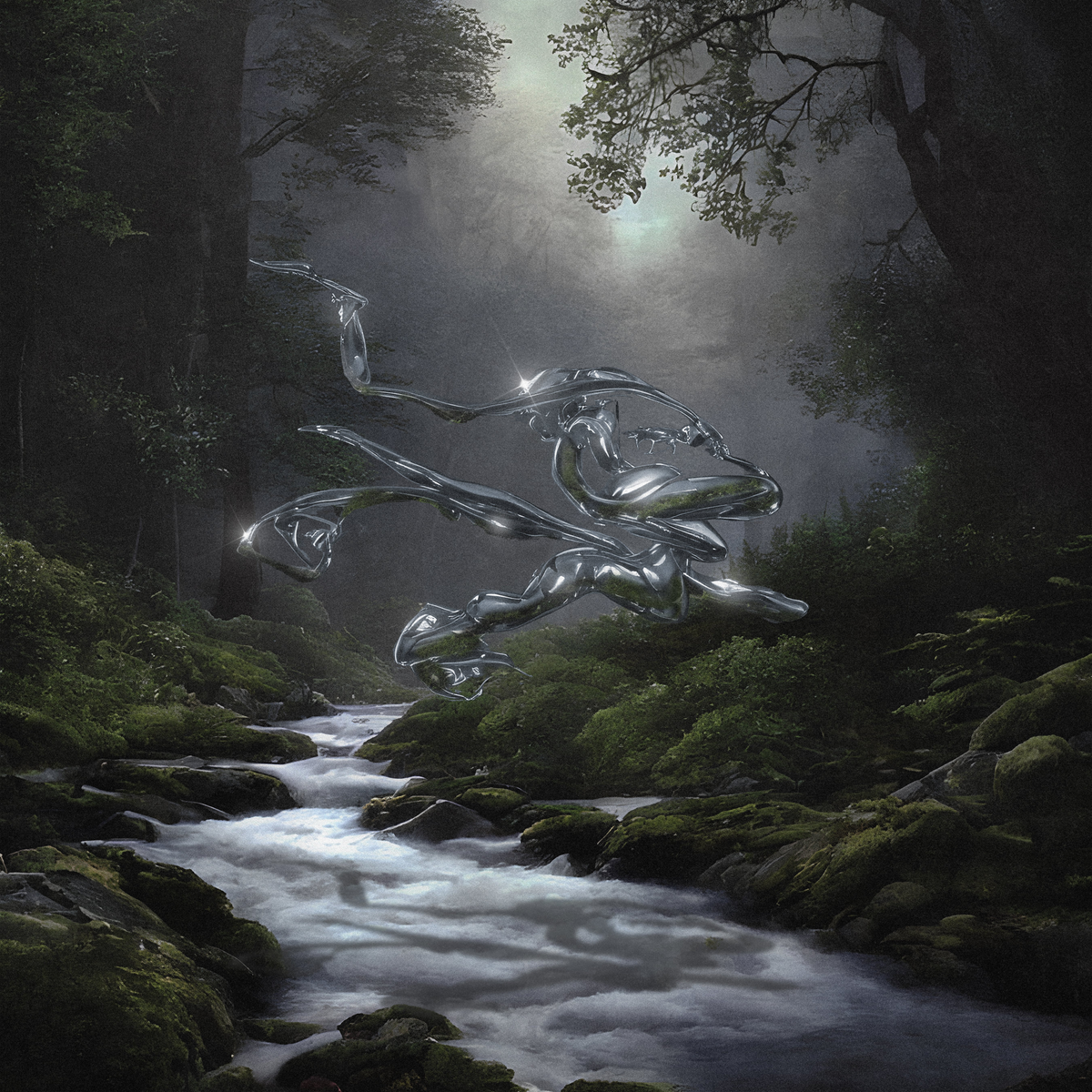
In an age where some of my favourite Irish music has worked by remixing and reinterpreting Irish traditional song and melody, Ian Nyquist's Gilded does something that feels evolutionary. Nyquist uses the fluid rhythms that are made possible by the bodhrán — a drum which sets the pace for many a céilí or session the length and breadth of the country — as the basis for complex digital sound design. The result is music that sounds futuristic while deeply human; sonic palettes which were previously only possible with quantisation and mechanical precision are now driven by an organic energy.
There's one track on it towards the end, alchemy, which to me scans like a response to Aphex Twin's Bucephalus Bouncing Ball; a song which uses the ever-accellerating tempo of an object repeatedly rebounding under gravity, likely put together with the command-line interface of early music software. On Nyquist's take, the ever-accelerating rhythm is a fully human impulse, the force and the rebound of the material by itself. Then, the track relaxes for a second, you hear an "okay" and it releases; the pure drum sound is augmented by sharp chiming synths and rich effects that respond to the performance.
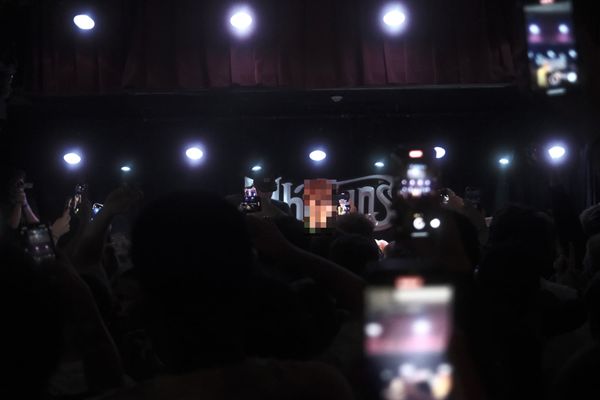
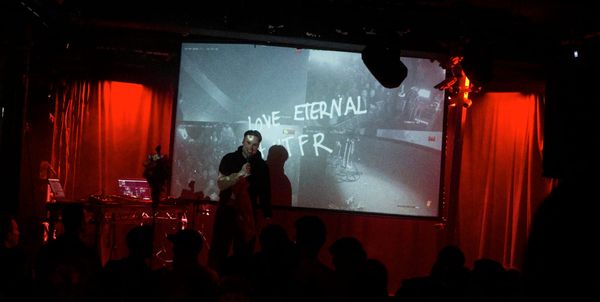
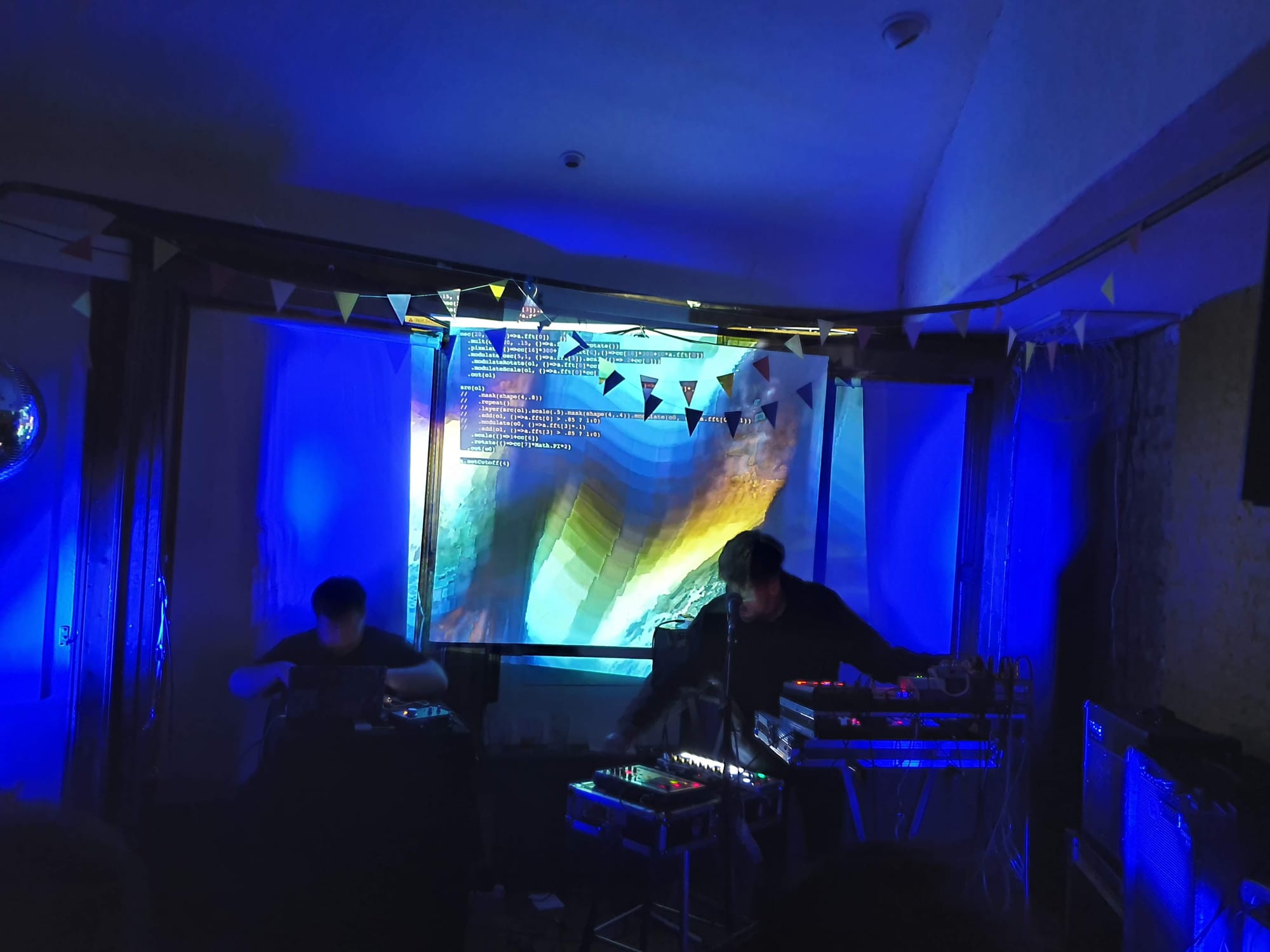
I start with the sound of alchemy because when listening to the album, it can at times be difficult to figure out which elements of the album even are coming from or being triggered by the bodhrán. Seeing Ian live revealed something that kind of took my breath away - it's basically all the bodhrán; the entire shape of every track is some system responding to the inputs that are placed on the drum. There's a bit of fiddling around in Ableton or whatever to change what those inputs are doing, but you get the sense that whatever is happening in backing tracks is only a tiny fragment of what you hear coming out of the speakers. The music feels to some extent alive; something like ouroboros is an exhilarating listen at on the record but revisiting it after witnessing it in its space is something else entirely.
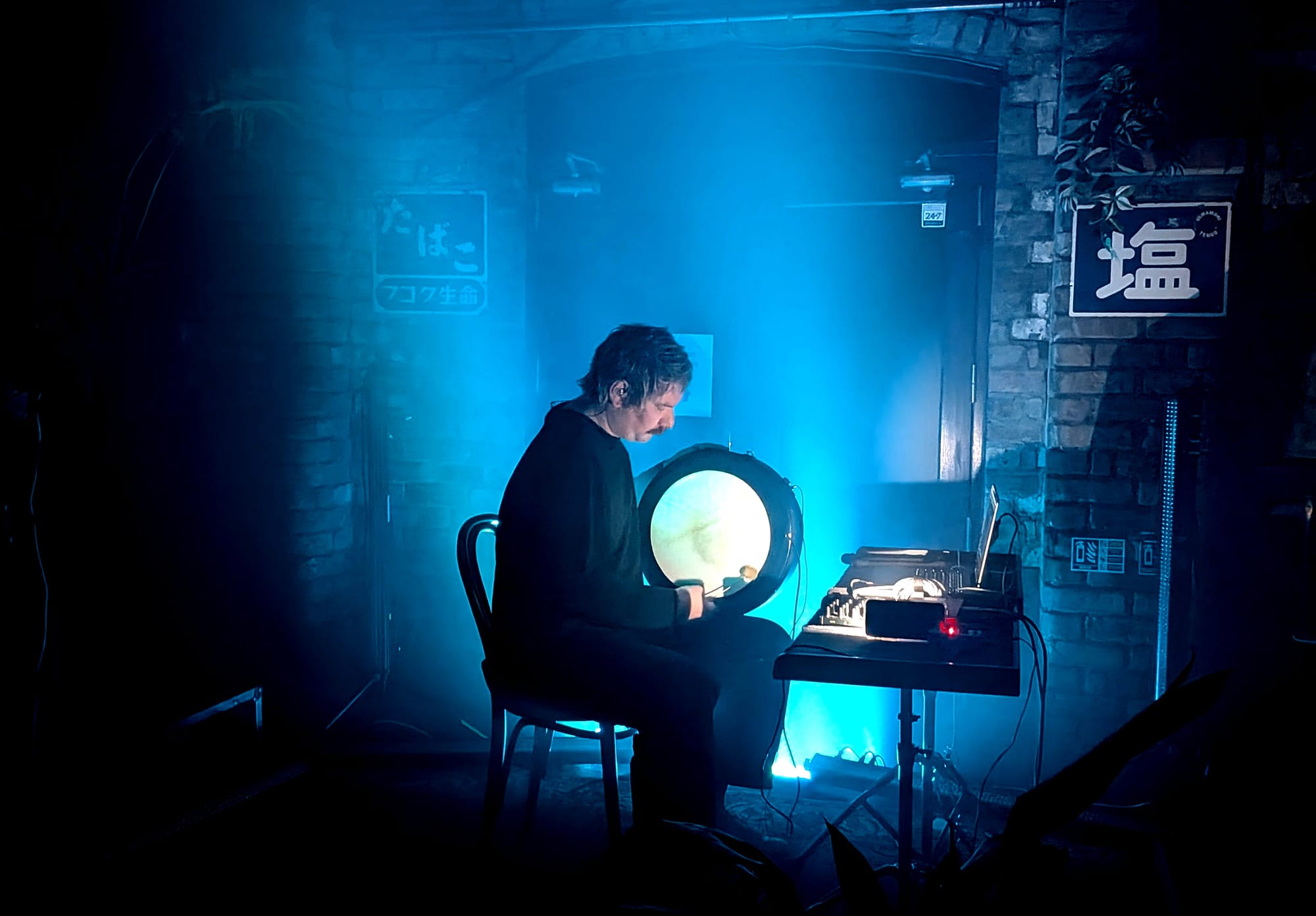
It's easy to think of electronic music either as something which is carefully placed on a grid or something which emerges from complex modular systems. This leans closer to the second, although the performance aspect of it makes it feel outside of that. Though Nyquist's attempt to build something that ties these systems to a rich cultural history of live performance isn't completely unprecedented, it is a significant achievement. In a year where I've had to reckon with the dulling effects of prompt-based generative AI works on the kind of fluency and expression that is required for brilliant music, it feels only natural to single out an album that tries to use a familiar, intuitive tool on which to centre the artistic process.
It's not to say that the entire album is just bodhrán action/reaction - there are beautiful layers of synths throughout, and the album also has a real highlight in tracks that build upon sean-nós singing or contemporary folk song with this toolkit.
The overly-tuned-in will realise this is not the first time I mentioned a group trying out the bodhrán as the central rhythmic element in electronic music this year - in bás in Éirinn I briefly touched on the Irish-Catalonian group Cushla - making some sort of fun sean-nós-infused dance pop music with bodhrán-driven drum programming (and, it pains me to say, disappointingly sloppy AI visuals). When I saw them live in Barcelona I was particularly taken by the presence of a bodhrán in this context, although much of what it was doing was barely audible under four-to-the-floor pounding kick drums. I bring this up not to pit two interesting examples against each other but to point out that there remains a gulf of unexplained, but very possible cool things in between these points that one could do by wiring up the instruments they learned in more traditional contexts. I don't think it's a coincidence that I've seen a good few more tin whistles on stages lately; even Rory Sweeney using them as a source of layered ambient noise later on the same night I saw Ian Nyquist open for him.
There was a second notable show this month where one might have had the chance to see Gilded performed live though, and to get there, I want to take a bit of a weird turn.
For a long time now I've wanted to write about the record label that put this album out. Flood, run by a few heads from Cork, were founded at the centre of a then-nascent genre of dance music called hard drum - a heavily percussive offshoot of many dance music genres, often completely sidelining melodic elements to produce a kind of functional dance music, taking rhythmic inspiration from all kinds of emerging global dance sounds. Retellings of hard drum's unlikely bloom in Cork often mention the Brazilian-Irish deconstructed club producer Superfície who was one of the progenitors of the sound, and the Flood label being inspired after an Even The Strong warehouse rave in North London and realising there was a complete lack of anything like it in Ireland. As the label began to plant its roots, it found itself some significant allies in Cork from the likes of ELLLL and Lighght. Looking back from Berlin, ELLLL told District Magazine: "It was something that came up through the antithesis of everything that was happening in the city."
 dj puppyyy ✨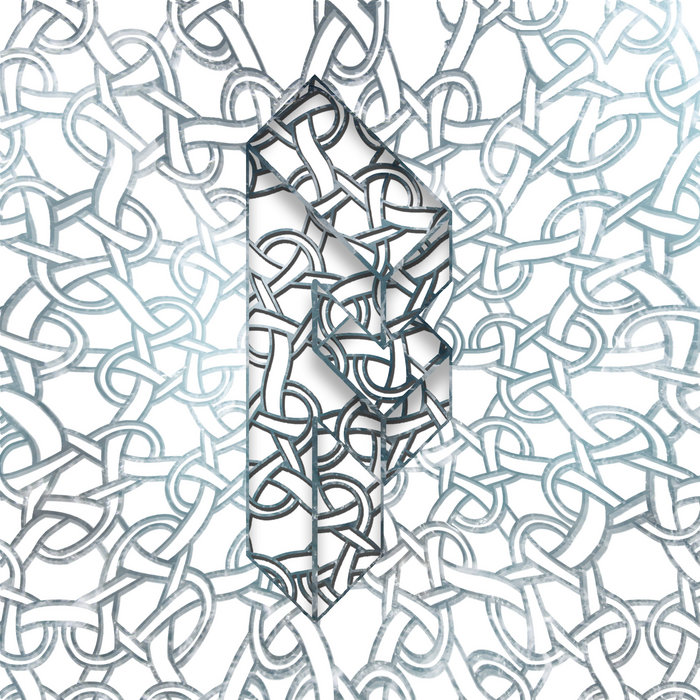
There's this thing that I swear I remember vividly that I can no longer find any evidence of - one of the Flood founding trio (of Doubt, Syn and Tension) doing a short interview on some smaller music subreddit, complaining that the city that they lived in seemed like somewhere that it was going to be completely impossible to develop any kind of sustainable audience for the kind of music they made, but expressing a hope that some day they'd get there. When I lived in Cork for years, it never struck me as a place that could incubate a niche dance music scene; there certainly were some waves being made by people like ELLLL and Lighght sure, but those waves were either being made in cities far from home (ELLLL had moved to Berlin, as had other significant figures like James Kelly of Bliss Signal) or online first of all (there was a point in my life where I told John Darnielle of the Mountain Goats to listen to Lighght? he seemed to really dig it?)
I am checking out "Gore-Tex in the Club, Balenciaga Amongst the Shrubs" and can confirm that it bumps
— The Mountain Goats (@mountain_goats) October 31, 2019
honestly for a while I thought I dreamt this interaction. Gore-Tex In The Club, Balenciaga Amongst The Shrubs does bump, it remains one of my favourite works of Irish electronic music. We'll talk about Lighght and the wider Eamon Ivri discography on Fourth Best in more detail some day, but Mike McGrath-Bryan did it first (and better!)
But in the years after I left Cork, I watched from the sidelines as the music that emerged from the city got weirder, and spaces to put it became slightly more tenable. Only slightly. In the lead-up to the pandemic, the Cork hard drum scene got a glowing profile in the Guardian from Colin Gannon, which acknowledged that while the waves were most felt overseas, and the situation in Cork remained aggressively unstable, spaces like the Plugd Records club floor in the upstairs of The Roundy were giving a new lease of life to the underground.
DIY hustling was the only way forward in a tourism-oriented country where, every couple of months, a hotel seems to replace a vital nightlife hub. The eventual members of Flood threw many of their own parties because, as they see it, commercialised venues prioritise footfall and double-vodka receipts over the sensory experience. Today, Syn helps run a queer night called CXNT in the Roundy, where throbbing, untrendy styles like hardgroove, gabber and donk pass as the norm. As [James O’Connell, aka Numbertheory,] puts it: “The big clubs just want to hear EDM and boring, Heineken-sponsored, white-bread, Fiat 500 techno.”
 Colin Gannon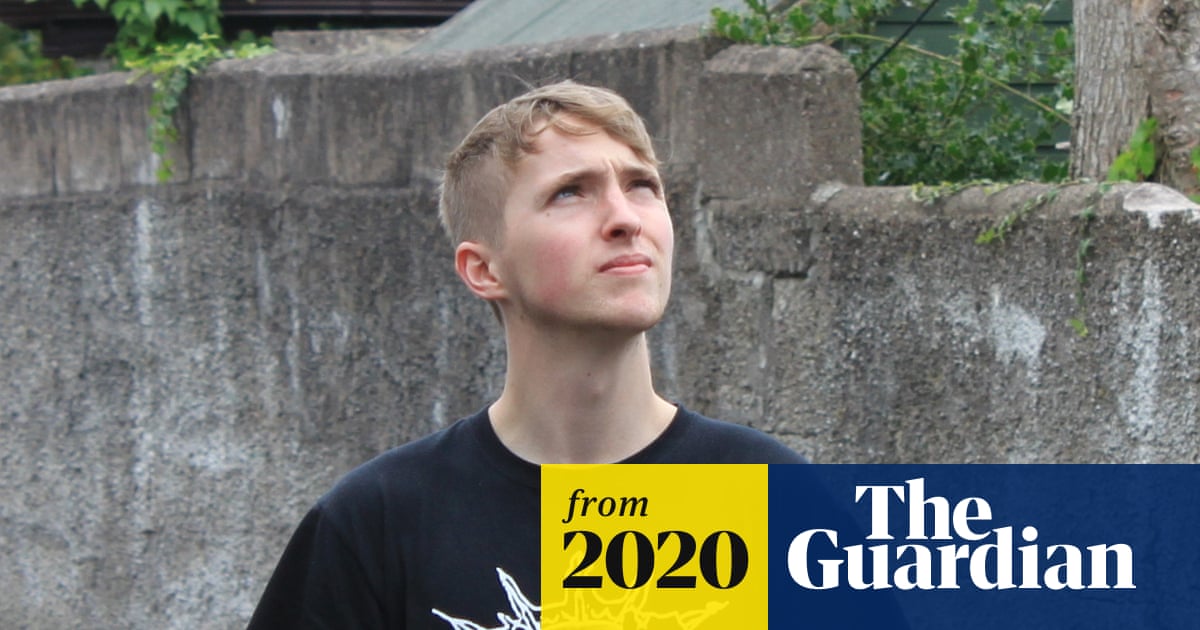
The imported Even The Strong t-shirts all read Hard Drum Will Never Die and though the pandemic certainly changed which way the wind was blowing, Cork's DIY electronic music scene survives. It might even be stronger than ever, with a bigger dancefloor being provided by Dali, with a newer, more independent Plugd Records hosting regular small shows and a studio for independent online radio station éist, and with new independent club nights and collectives like Dose (which began by booking Doubt for their first party), Cee-Em-Cee's Carmina and Lighght's Drift Ritual. While its founders are split between cities — the tape at the centre of this article was posted to me from Glasgow — Flood too continues on its mission to bring futuristic, percussive electronic music to the world: it might just be the most natural imaginable home for Gilded.
In every city across the country, we are in a battle for cultural space. In Cork the scars from those battles are well-worn; Dali has fought its way through many relocations over the years, spaces like The Pav have fought their way back from near-total dereliction. I'm almost certain that Galway spent a few months with no surviving nightclub at all, but seems to be clawing back some space. Then there's Dublin, which feels like it's spent years cheating death — losing clubs and venues on what feels like a monthly basis, surviving on smart DIY bookings, community spirit, the fact that Tengu really is one of the best nightclubs in the entire world, and the fact that we have some not-exactly-nightclubs playing fast and loose with formats (Fidelity Studio booking some of the absolute biggest names in the business but closing at 1am every time is the canonical example there).
Funnily enough, it was Tengu doing something uncharacteristic that bumped Ian Nyquist's album up my overcrowded queue of Irish records - hosting a gig rather than a club night, with Foggy Notions dropping Rory Sweeney in for an 8pm doors slot and with Ian on support. I decided to finish up editing my Rory Sweeney interview ahead of it, where Ian's name came up a few times.
I do my best work writing Fourth Best articles while in transit, and on a train from Cork to Dublin, finishing editing that interview I absolutely rinsed Gilded. I was hardly halfway through the record when I knew I needed to write about it, barely on the second turn around when I realised it could be the key to doing this piece.
Right. Let's tie it together. Ian Nyquist isn't even from Cork (raised in Scotland by American parents, according to a great profile by Aoife Barry), so why are we this far down the page and I've been ranting about how great Plugd is and it's been pages since I've used the word bodhrán?
Well, I used Rachael Lavelle's 2023 album to talk about starting this website in the age of impending AI slop, and I used jarjarjr's 2024 album to talk about what the streaming age was and why it has come to an end. This year however, I felt that I had covered almost all of the albums that touched on those deeper nerves for me! I'd already spoken on how Lullahush's Ithaca might be the best example of Irish diasporic art we've had in years. I'd already spoken about how For Those I Love's second album was a moment for hope in a period of political fear. I'd already talked to Alex Gough about how his album represented a rejection of the music industry that could have shaped his entire life, and to Rory about how his album existed on the border of the silly and the sublime. And let's face it - nobody wants to hear me talk about the same albums everyone else is talking about. I didn't think it was worth repeating the same grá everyone else had for CMAT and Maria Somerville - better writers than me have said their piece and I have nothing to add except "Yeah those albums are fucking incredible, right?" (For what it's worth, nearly every Irish album of the year list worth its salt has included Gilded too, so this is hardly a contrarian pick.)
See, in my eyes, Gilded is synthesis; the story of its emergence, of folk music and nightlife would be one angle. On the Flood-issued cassette tape, above the catalog number, it bears a simple summary: folk music for past and future. The album's liner notes on Bandcamp tell us "Traditions are never static; they are reiterated, redigested, and recast." In the broader Ian Nyquist catalog, we can see a running theme of the land; 2025 also brought us his piece Across A Skyline for ddr Alternating Currents' "Urban Scores" theme which explores the idea of hostile architecture, in 2023 we saw works from him that reflect the West of Ireland and the Wicklow Mountains. It's hard then to see Gilded outside the context of being about land and our relationship to it. In an interview around the album, we are told that this work isn't similarly site-specific, although it certainly draws from nature. Personally I the space we have for music and how we use it to socialise and celebrate, and what that will, or perhaps ought to look like. Taken within the Flood catalog and their story of wanting and building DIY space for their own form of dance music, I think there's something there.
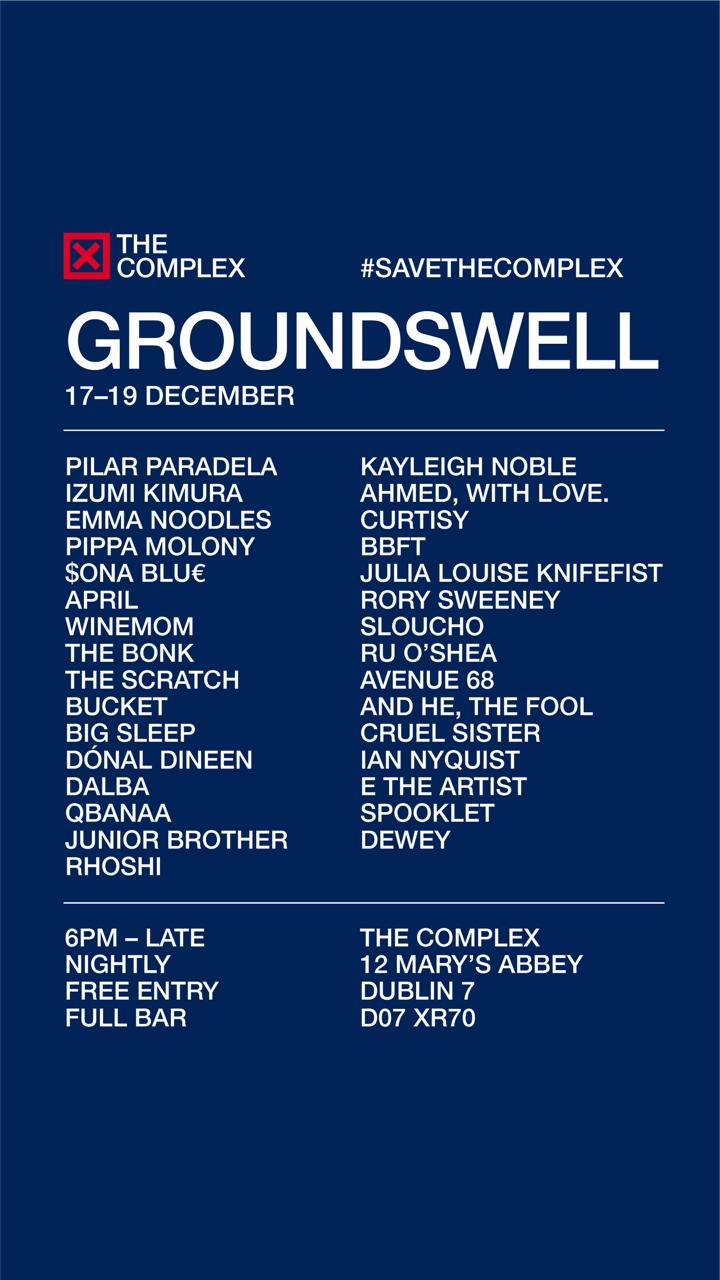
If you asked me what the best festival lineup in the country this year was, there's a chance that I'd tell you the series of marathon gigs organised by The Complex at incredibly short notice are up there.
The above list is even missing a few - at a glance I recognise RÓIS and Bull Horris among the names missing. The Complex, a venue threatened with almost immediate closure at the whims of a landlord, might be the single most important cultural space in the country. As best as I can tell, every name on that lineup has used or played in the space - this year alone Ahmed, With Love. hosted the historic Clash at the Quays! there — twice! — which brought together disparate Irish music scenes alongside pro-wrestling in what might go down as the Irish gig of the year, Dewey brought Pellador's first runway show there for Dublin Independent Fashion Week, Sloucho brought the strange and groundbreaking Fragments of Eternity hybrid live show. Over the years I've seen magazine launches, folk music, club nights, strange collaborations, myriad music festivals all float through it. More than a home for niche gatherings, for years it was the home of the city's beloved digital community infrastructure, Dublin Digital Radio (some day I'll pitch the Fourth Best show I promise). That's before we even get to The Cooler, where the stakes somehow get unimaginably higher. Speaking to the Journal of Music, Kenneth Killeen — the Artistic Director of Improvised Music Company — notes:
We’ve spent three years building something the community desperately needed: a 24/7 rehearsal and performance space serving 141 musician members. In one year, we deliver 50 performances, 832+ rehearsals, 50 professional recordings, and prepare work that appears on stages from Ronnie Scott’s to the National Concert Hall. Now we have to rebuild all of that from scratch – the infrastructure, the trust, the momentum – and we don’t even know where yet. You’re not just closing a venue on January 14th, you’re breaking the production pipeline for an entire art form.
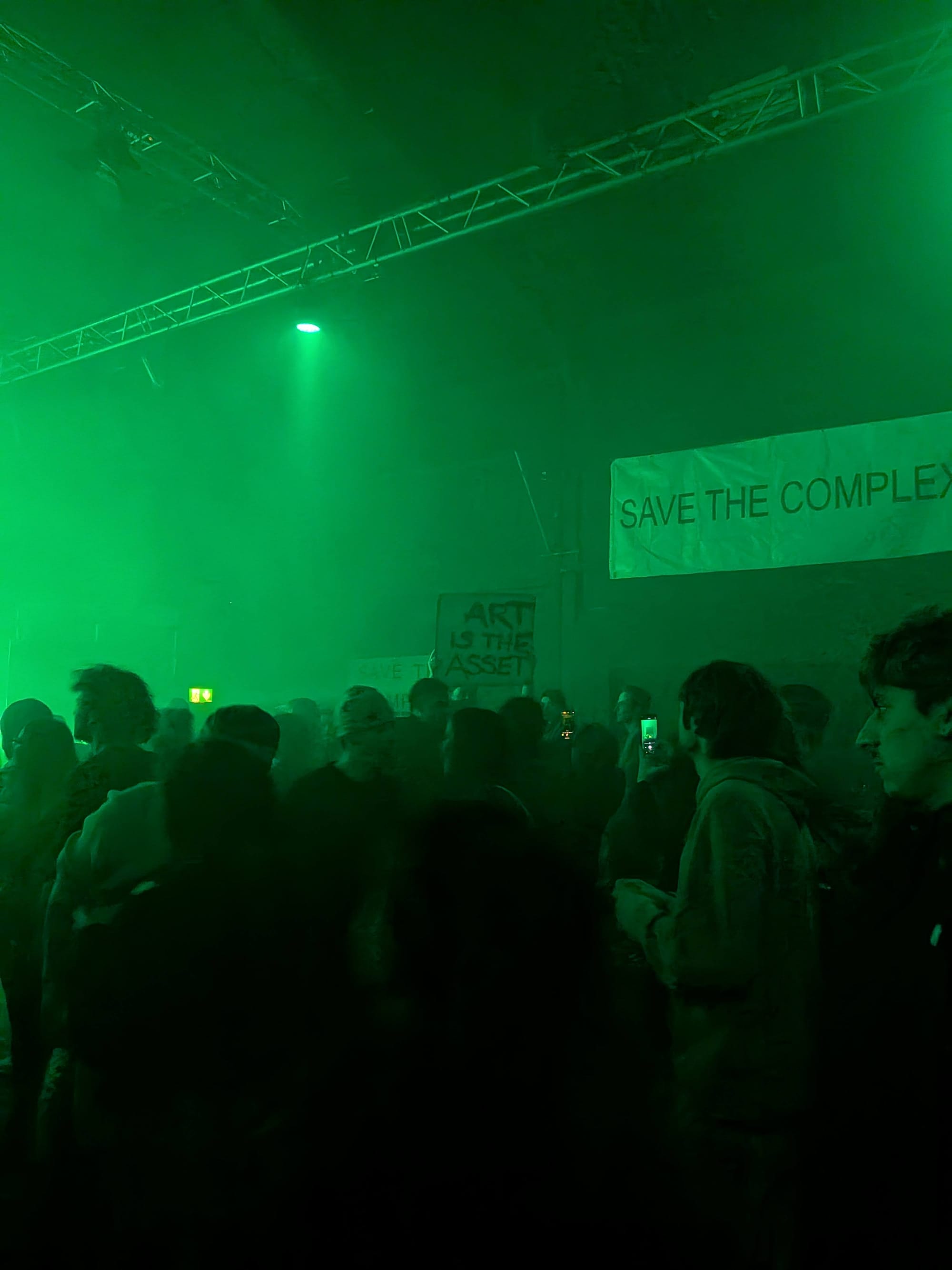
I am not optimistic about the chances for The Complex, which basically amount to the Government itself helping to purchase and continue to develop the space, with little more than days remaining to strike a deal. However, I have to allow myself an amount of hope. Each of the three nights of the marathon gigs, the building was buzzing with energy and enthusiasm. With 16,000 names on the petition, a solid march on the Dáil, there's an honest sense that maybe we'll be heard.
I love the name they gave to this set of enormous protest gigs: Groundswell. Something enormous that seems to come rising up out of the land. As Ian Nyquist played the gigs, one gets the feeling that Gilded is a fitting soundtrack. We want power over our spaces, for ourselves, and we want music of our own to fill it with. Both will change over time, but perhaps we can change it for the better.
There's a sliver of a chance. So make your voice heard when you can.
Better yet, bring a bodhrán.
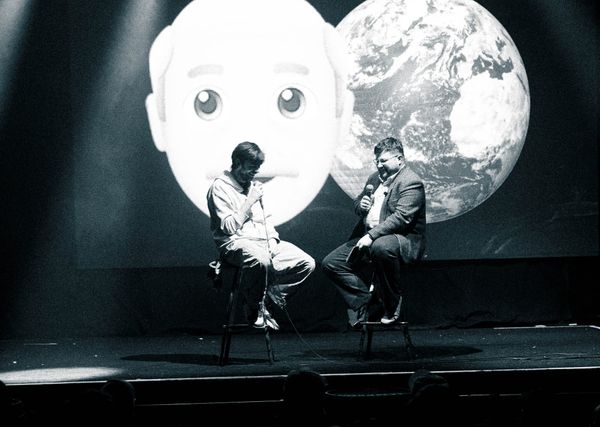
See you on Fourth Best again in 2026. My main goal for the year ahead is to do something towards getting the project in print - ideally by making some sort of zine out of a re-edit/re-structure of the existing essays. More live stuff like what I did with Alex and Rory would be fun too. So I might be a bit less focused on writing new bits regularly unless inspiration strikes me.
If you depend on seeing the articles as they appear on social media, you may have missed my last "interlude" piece called on being the small-town critic, which I decided to skip posting on the main feeds. People have definitely shown the piece some love over the last few weeks but I still don't know if it was worth writing in the first place! Let me know what you think.